


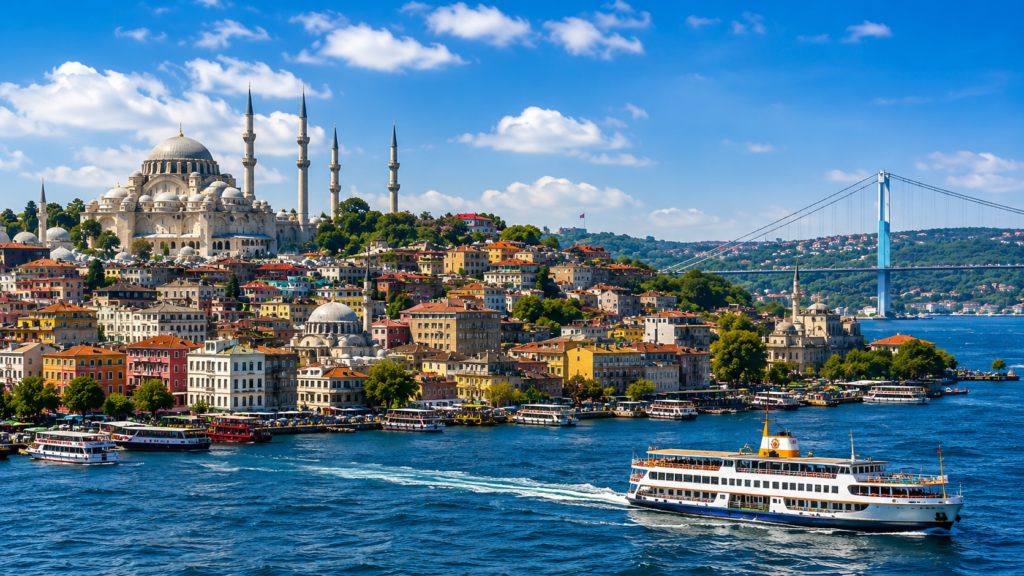
Welcome to the only Istanbul travel guide 2026 you’ll actually need before you book anything. There’s a moment almost every first-time visitor to Istanbul has: you’re standing somewhere ordinary maybe on a ferry, maybe just crossing a bridge and you realize you can see two continents at once. Europe on one side, Asia on the other, and a strip of water called the Bosphorus quietly dividing them. Istanbul doesn’t make a big deal out of this. It’s just how the city works, and that’s part of what makes it so different from anywhere else you’ll visit.
This isn’t a museum city where everything interesting happened centuries ago. Istanbul has been the capital of two empires, home to more religions and cultures than most countries can claim, and it’s still very much alive call to prayer echoing over rooftop bars, fishermen casting lines off a 500-year-old bridge, teenagers filming TikToks in front of a Byzantine cathedral. If you’re planning a first trip, this Istanbul trip guide walks you through everything worth knowing: when to go, where to base yourself, what to actually do with your time, and the practical details that make or break a trip.
When to Go:
Istanbul has real seasons, and the month you choose shapes the whole trip more than people expect which is why timing gets its own section in almost every serious Istanbul city guide.
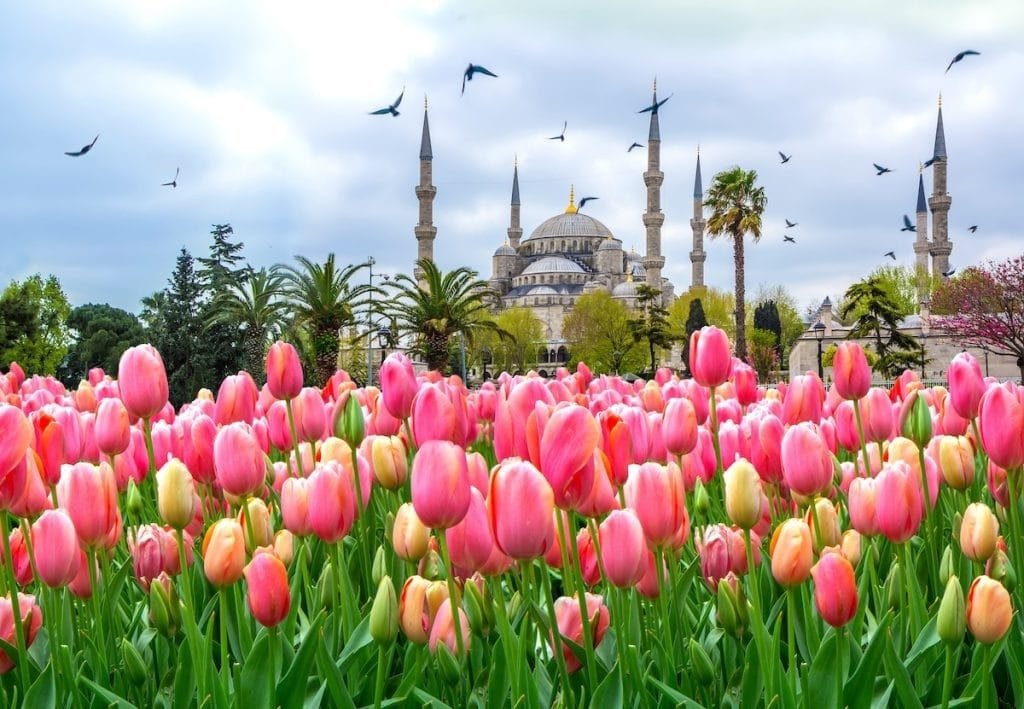
Spring (April–May) is, for most travelers, the sweet spot. Temperatures sit comfortably between 15–22°C (59–72°F), tulips bloom across the city’s parks including a genuinely spectacular annual tulip festival and the crowds haven’t hit their summer peak yet.
Summer (June–August) brings heat, sometimes intense, along with the largest crowds of the year at places like Hagia Sophia and the Grand Bazaar. It’s also the best season for long evenings on a rooftop and boat trips along the Bosphorus, so if you don’t mind the heat and book accommodation early, it still has plenty going for it.
Autumn (September–October) quietly rivals spring as the best season. Mild weather, softer light for photos, and noticeably calmer streets once the summer visitors head home. Many people who’ve been to Istanbul more than once will tell you this is their favorite window.
Winter (November–March) is cold, occasionally rainy, and the least touristed. What you lose in comfort you gain in atmosphere this is when Istanbul feels most like a city people actually live in, hotel prices drop noticeably, and you can walk into Topkapi Palace without a line.
Getting In and Getting Around:
No Istanbul travel guide would be complete without covering the airports first, since this is usually the first logistical decision you’ll make. Most international flights land at Istanbul Airport (IST), roughly 40–50 minutes from the city center by metro or taxi. A smaller set of routes, mostly budget carriers, fly into Sabiha Gökçen (SAW) on the Asian side, which sits farther from the main tourist neighborhoods worth checking before you book if convenience matters more than price.

Visa requirements depend on your nationality; many travelers can apply for an e-Visa online in a few minutes, while others qualify for visa-free entry on short stays. Rules shift periodically, so check Turkey’s official e-Visa site close to your travel date rather than trusting an old blog post this one included.
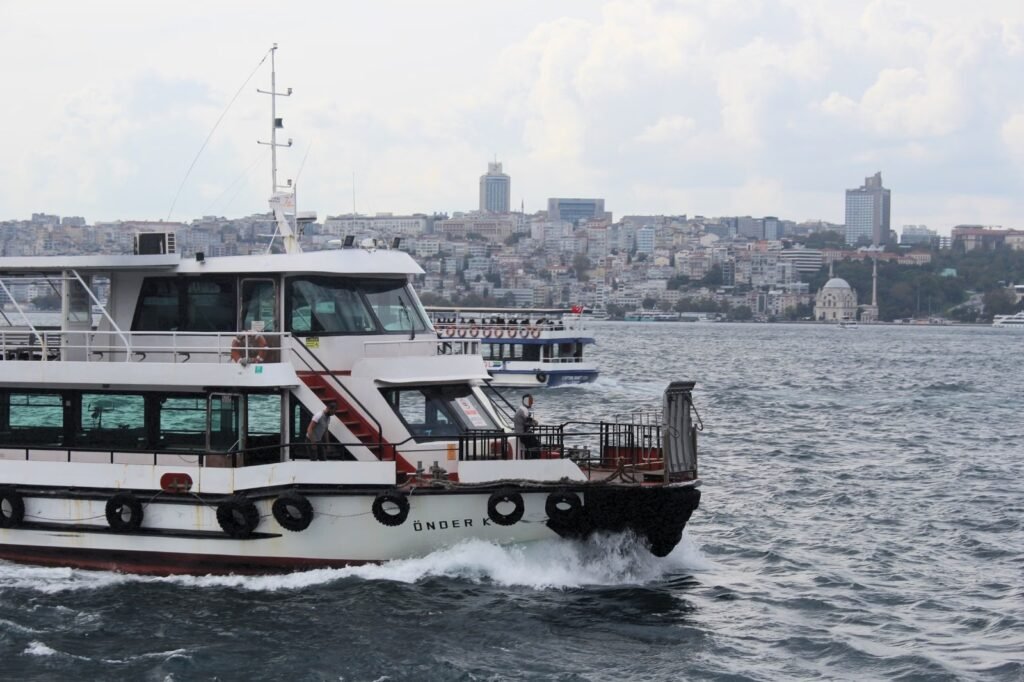
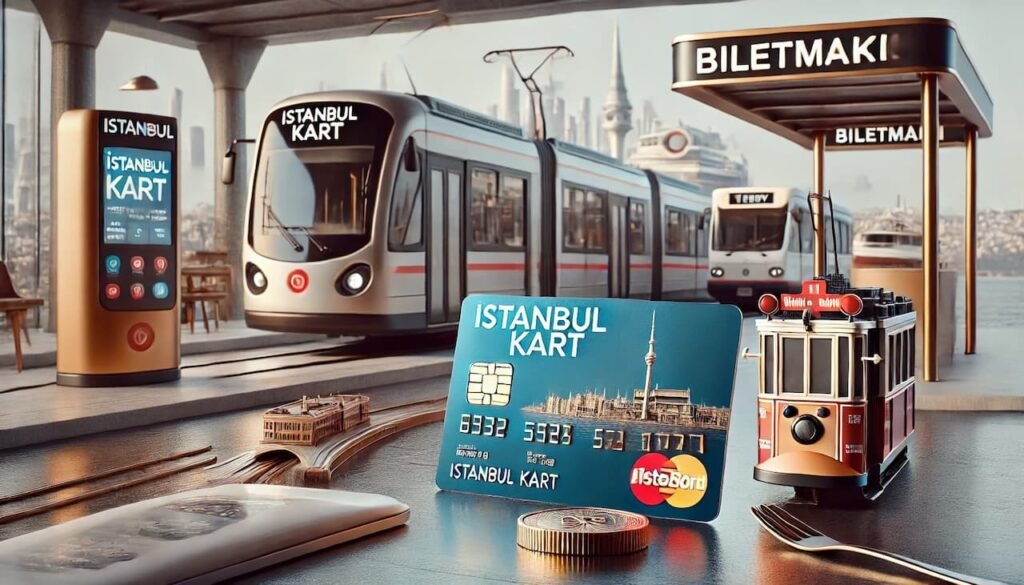
Once you’re in the city, get an Istanbulkart on day one. It’s a single rechargeable card that works across trams, the metro, buses, and ferries, and it will save you both money and the hassle of figuring out payment at every stop. The T1 tram line is the easiest way to reach Sultanahmet’s major sights, and the city’s ferries aren’t just transport a crossing between the European and Asian sides, for a couple of dollars, is one of the best experiences in Istanbul that most visitors never plan for on purpose.
Where to Stay:
Your neighborhood shapes your trip more than almost any other decision you’ll make, so it’s worth thinking through rather than defaulting to whatever shows up first on a booking site. Any honest guide to Istanbul will tell you the “best” area really depends on what kind of trip you’re after.
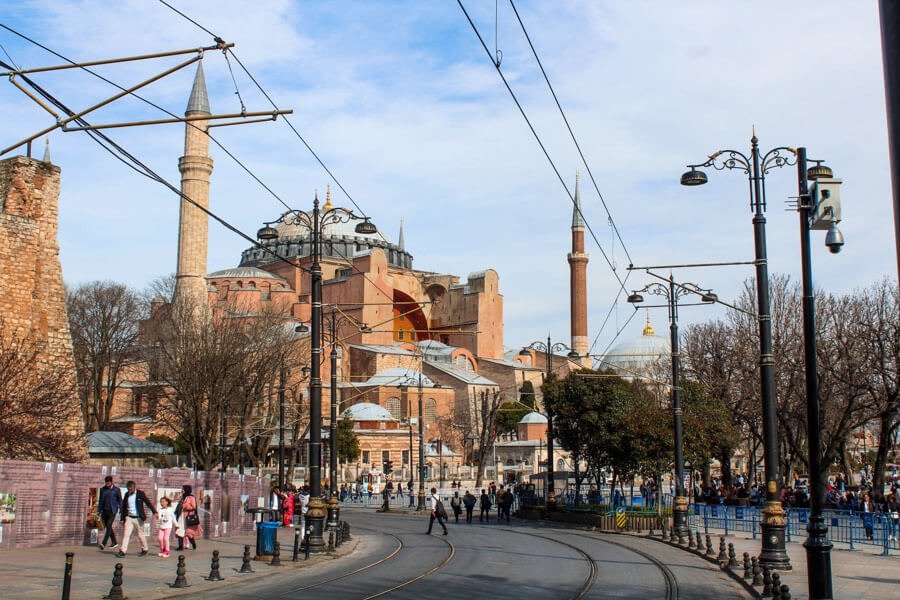
Sultanahmet, the old city, puts you within walking distance of Hagia Sophia, the Blue Mosque, Topkapi Palace, and the Basilica Cistern. It’s the obvious choice for a first visit focused on history, though it leans touristy once the sun goes down, with fewer options for a genuinely local evening out.
Beyoğlu and Galata trade some of that historic proximity for independent hotels, design-forward cafes, and a livelier after-dark scene centered around the Galata Tower and Istiklal Street. If nightlife and a more contemporary feel matter to you, this is the better base.
Kadıköy, across the water on the Asian side, is where a lot of Istanbul locals actually live, eat, and go out. It’s not the obvious first-timer choice, but for travelers who’ve done the major sights before, or who just want to feel less like a tourist, it’s genuinely worth the short ferry ride.
Beşiktaş sits in between quieter and more residential, with easy access to the Bosphorus waterfront and Dolmabahçe Palace, and a solid option if you want some distance from the busiest tourist zones without going fully local.
What to Actually Do:
Istanbul’s list of “must-see” sights is long enough to be overwhelming, so it helps to think in neighborhoods rather than trying to hit everything on a single map this is where most Istanbul itinerary planning goes wrong.
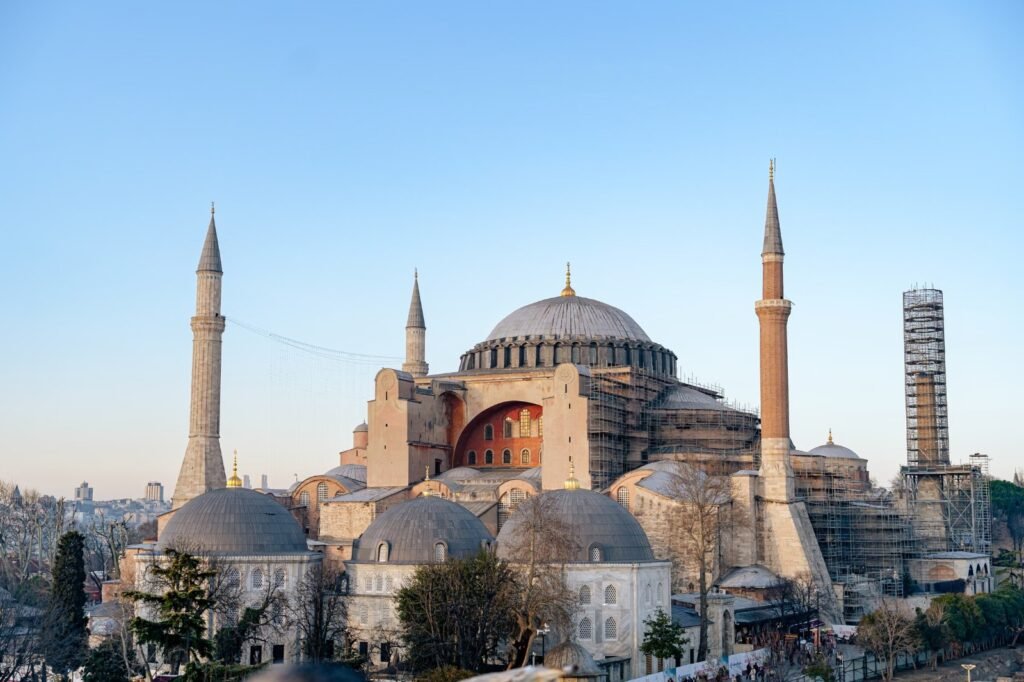
In Sultanahmet, start with Hagia Sophia a building that’s been a Byzantine cathedral, an Ottoman mosque, a museum, and is now a working mosque again, which tells you almost everything about Istanbul’s layered history in one stop. Go early to beat the crowds. The Blue Mosque sits close by, free to enter outside prayer times, and Topkapi Palace, the former residence of Ottoman sultans, is worth two to three unhurried hours, especially if you add the separate-ticket Harem section. Underground, the Basilica Cistern offers thirty atmospheric minutes among centuries-old columns, and the Grand Bazaar is worth visiting for the experience of it as much as any purchase expect to negotiate on anything you buy.
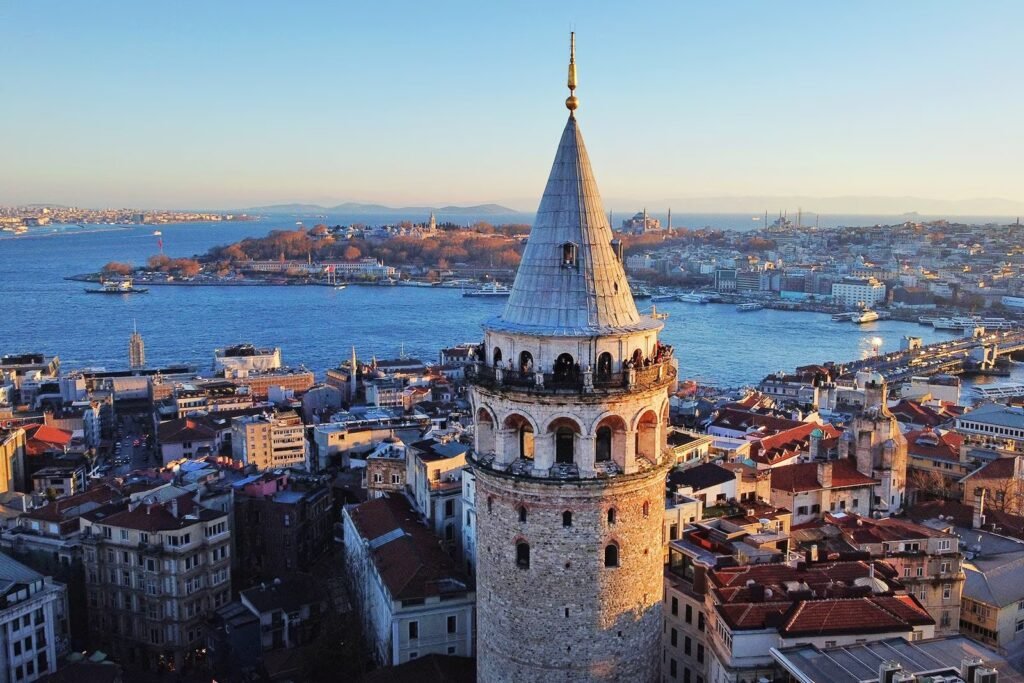
Any Istanbul sightseeing guide worth reading will also point you toward Beyoğlu. Over there, the Galata Tower gives you one of the best panoramic views in the city, particularly near sunset, and Istiklal Street is the place to just walk, people-watch, and ride the old-fashioned tram that trundles down its center. Nearby Karaköy has become one of Istanbul’s most interesting pockets for coffee, design shops, and a younger crowd.
Beyond the center, a Bosphorus cruise public ferry or private tour, either works gives you the skyline from the water, which is a genuinely different way to understand the city’s geography. Dolmabahçe Palace, a 19th-century Ottoman palace on the European shore, offers a striking contrast to Topkapi’s older, more austere style. And if you have a spare afternoon, the car-free Princes’ Islands are an hour’s ferry ride and feel like a different country entirely.
What to Eat:
Istanbul’s food alone is worth the trip, and much of the best of it doesn’t require a reservation no Istanbul travel guide would be honest if it didn’t put food near the top.
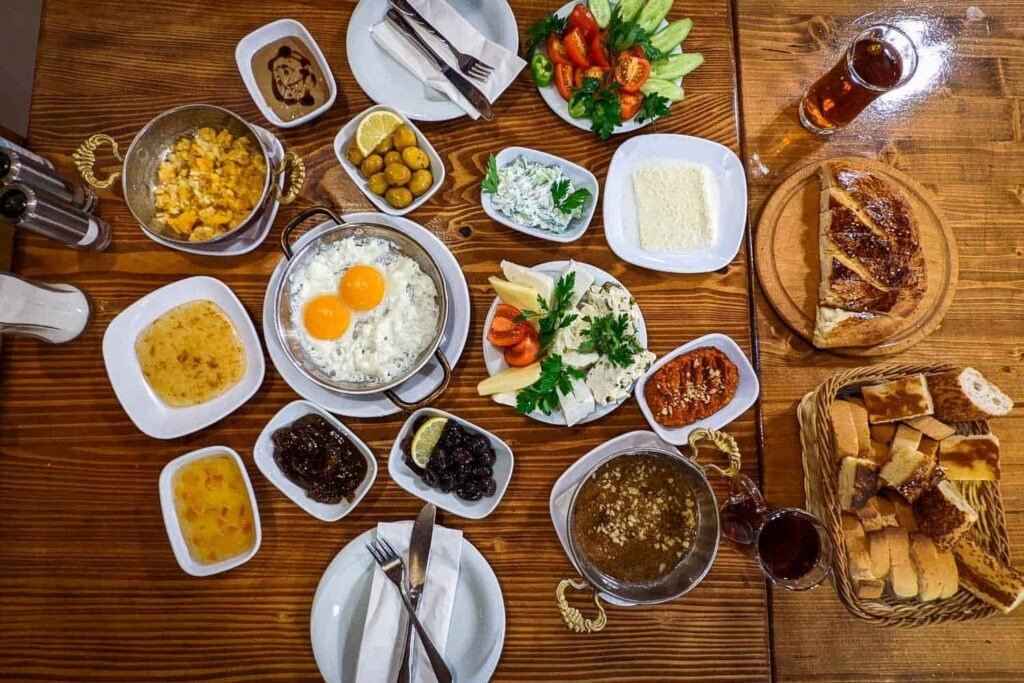
Start your mornings the way locals do: with simit, a sesame-crusted bread ring sold from carts on nearly every corner, or better yet a full Turkish breakfast (kahvaltı) a slow spread of cheeses, olives, eggs, honey, and fresh bread that’s meant to be lingered over, not rushed through.
For lunch, look for balık ekmek, grilled fish sandwiches sold from boats near the Galata Bridge cheap, fast, and better than they have any right to be. In the evening, a traditional meyhane in Beyoğlu will introduce you to meze and raki, the anise-flavored spirit that anchors most long Turkish dinners. Save room for baklava or Turkish delight from a specialist shop rather than a tourist-strip stand, and end the meal the way the city does with strong Turkish coffee or a glass of çay, the everyday tea that fuels most of Istanbul’s conversations.
A Simple First Itinerary:
To turn this Istanbul travel guide 2026 into an actual plan, here’s how to structure your days. If you have two days, spend the first on Hagia Sophia, the Blue Mosque, the Basilica Cistern, and the Grand Bazaar, finishing with sunset from the Galata Tower. Spend the second on Topkapi Palace, a Bosphorus ferry ride, and an evening wandering Istiklal Street into dinner in Karaköy.
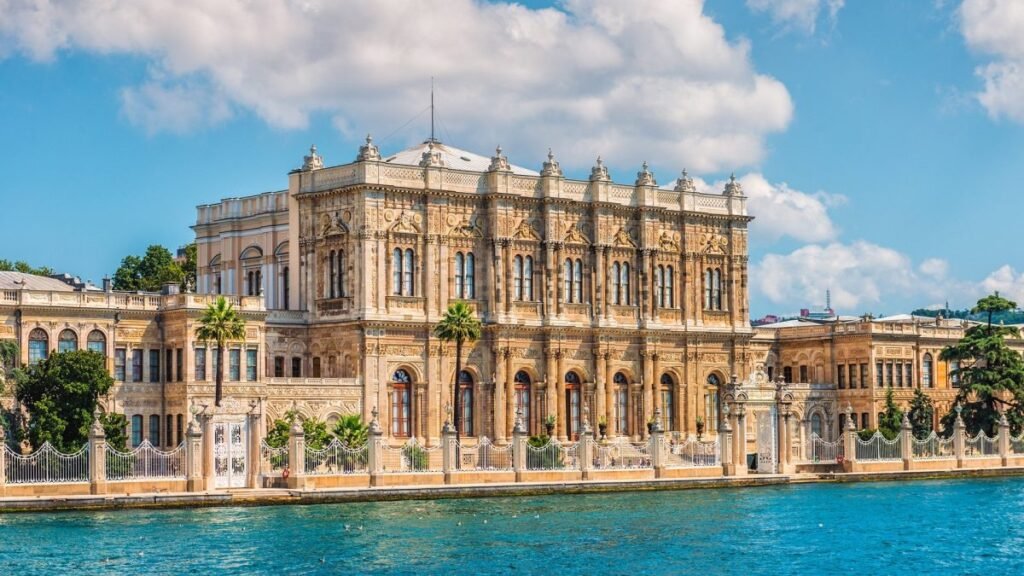
With four days, add Dolmabahçe Palace and the Beşiktaş waterfront on day three, followed by an evening in Kadıköy to see the city from its local side, and use day four for either a Princes’ Islands day trip or a slower wander through Balat and Fener, two of Istanbul’s most photogenic and least-rushed old neighborhoods.
Practical Things Worth Knowing:
Good Istanbul travel guide 2026 should end with the small details that don’t fit neatly anywhere else but still matter on the ground. Turkish lira (TRY) is the currency, and while cards are widely accepted, it’s worth keeping some cash for markets, small cafes, and topping up your Istanbulkart. Istanbul is generally safe for tourists in the main visitor areas, with the same common-sense precautions that apply in any major city, particularly in crowded spots like the Grand Bazaar or Taksim Square. An e-SIM is usually the simplest way to get connected if your phone supports it. Tipping isn’t obligatory but is appreciated roughly 5–10% at restaurants, and rounding up for taxis is standard. If you’re visiting a mosque, dress modestly: women should carry a scarf to cover their hair, and everyone should have shoulders and knees covered. English is widely spoken in tourist areas, though a handful of basic Turkish phrases will open doors and smiles well outside them.
Frequently Asked Questions About This Istanbul Travel Guide:
How many days do you need in Istanbul?
Three to four days covers the major sites and gives you a real feel for at least two neighborhoods. A full week lets you add day trips like the Princes’ Islands without rushing.
Is Istanbul expensive?
It’s generally affordable compared to major Western European capitals, especially for food and public transport, though hotel prices in the most central areas have risen in recent years.
Is Istanbul safe for solo travelers?
Yes, including for solo women, particularly in central, well-touristed neighborhoods. Standard precautions apply at night and in crowded areas, same as any major city.
Do I need a visa to visit Istanbul?
Many travelers need an e-Visa arranged online before arrival, while others are visa-exempt for short stays. Check the official e-Visa portal directly, since requirements do change.
What’s the best neighborhood for a first visit?
Sultanahmet, for the ease of walking to the major historic sites though pairing it with at least one evening in Beyoğlu or Kadıköy will give you a much rounder sense of the city.
Is Istanbul really on two continents?
Yes. The Bosphorus splits the city between Europe and Asia, and taking a public ferry across it is one of the simplest, cheapest ways to feel that firsthand.
